Why Your Face Feels Dry 38 Hours After Microneedling (And Why That's Actually a Good Sign)

If you're around 38 hours post-microneedling and your skin feels tight, dry, or slightly flaky, let us reassure you first: this is not a mistake. It's a sign the treatment is working.
Dryness after microneedling is one of the most common concerns we hear. If you're also noticing redness or small bumps alongside the dryness, that may be a separate issue — our guide to reactions after microneedling covers what's normal and when to be concerned. But if dryness and tightness are your main symptoms, you're in the right place.
In this article, we explain:
- why dryness appears,
- what's really happening in your skin (science, without the overwhelm),
- and how to properly "lock in moisture" – from the outside and the inside.
Dry skin after microneedling: why tightness and flaking are completely normal
Two to three days after microneedling, it's completely normal to experience dryness, a tight or stretched feeling across the skin, and mild flaking or peeling. These are not signs that something went wrong. They're signs that your skin is actively repairing itself.
Microneedling creates thousands of micro-channels in the skin. Your body reads these tiny punctures as a signal to begin regeneration, producing fresh collagen, accelerating cell turnover, and rebuilding tissue from the inside out.
The flaking you see is simply your old, damaged skin cells making way for new ones. The tightness is your barrier working overtime to close those channels and restore its protective function.
If your skin doesn't feel excessively tight, isn't burning, and shows no signs of active inflammation, then you're exactly where you should be. Peeling after microneedling is part of the process, not a problem to solve.
What's really happening: transepidermal water loss explained simply
The technical term for what's causing that dryness is transepidermal water loss, commonly abbreviated as TEWL. It sounds clinical, but the concept is straightforward.
Your skin's outermost layer normally acts as a sealed barrier, holding moisture in and keeping irritants out. After microneedling, that barrier is temporarily weakened. The micro-channels are still open, which means moisture evaporates from the skin faster than usual.
This increased TEWL is responsible for the dryness and tightness you feel. But here's the important part: this is also what signals your body to accelerate collagen production and begin its repair cycle. The two processes happen simultaneously.
So the dryness is not the problem. The problem only arises if you don't actively replace and retain that moisture during this critical window.
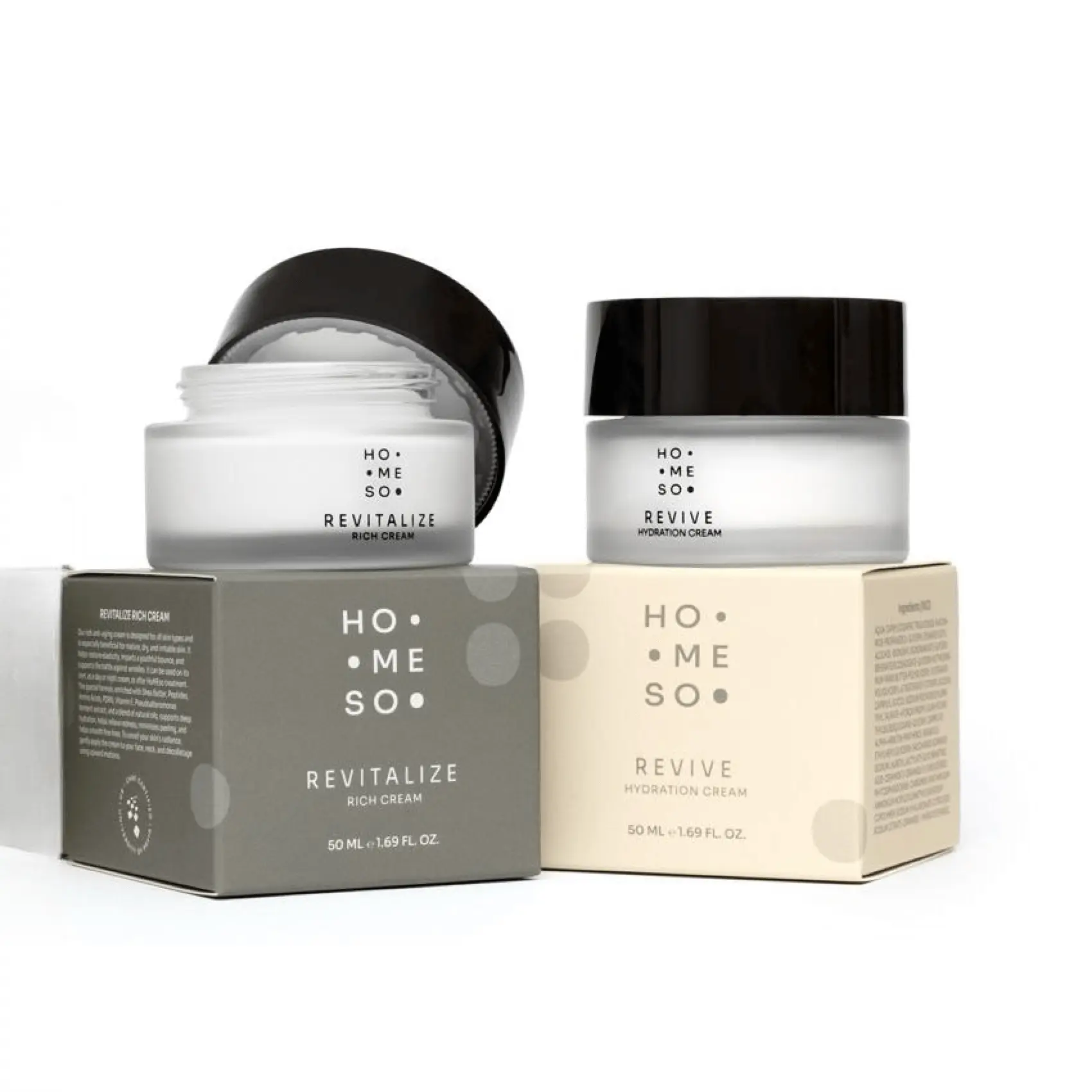
The outside solution: choosing the right moisturizer after microneedling
This is where many people make a mistake. They reach for their everyday lightweight moisturizer, expecting it to be enough. After microneedling, it usually isn't.
Why? Because hydration ≠ protection. A light moisturizer adds water to the skin, but with a compromised barrier, that water evaporates almost immediately. What your skin actually needs in the days following treatment is a product that both delivers moisture and seals it in.
Revive Cream — everyday hydration
- Lightweight texture that absorbs quickly
- Ideal for daily moisture maintenance
- Replenishes hydration without heaviness
- Best suited for your regular skincare routine when the barrier is intact
Revitalize Rich Cream — repair and sealing
- Rich, nourishing formula designed for post-treatment care
- Actively helps restore the skin barrier
- Reduces transepidermal water loss by creating a protective layer
- Essential in the first days following microneedling, when lightweight creams fall short
The ideal post-microneedling combination
For the best results during the recovery phase, layer your products strategically:
- HA Drops + B5 — bind water deep within the skin, providing the hydration foundation. Learn more about hyaluronic acid for skin rejuvenation.
- Revitalize Rich Cream — seal that moisture in and support barrier repair.
- SPF 50 Drops + PDRN during the day — protect the vulnerable skin from UV damage while supporting regeneration. Read about PDRN and why it matters after microneedling.
This isn't indulgence. This is strategic skincare during the repair phase where every layer serves a specific function.
The inside solution: why your skin needs building blocks from within
Microneedling stimulates collagen production. That's one of its greatest strengths. But your body can only produce collagen if it has the raw materials to do so.
This is where most post-microneedling routines fall short. People focus entirely on what they put on their skin and forget that skin regeneration is also an internal process. Your body needs amino acids, peptides, and hydration from within to fill the micro-damage created during treatment.
theOne hydroCollagen — support from the inside
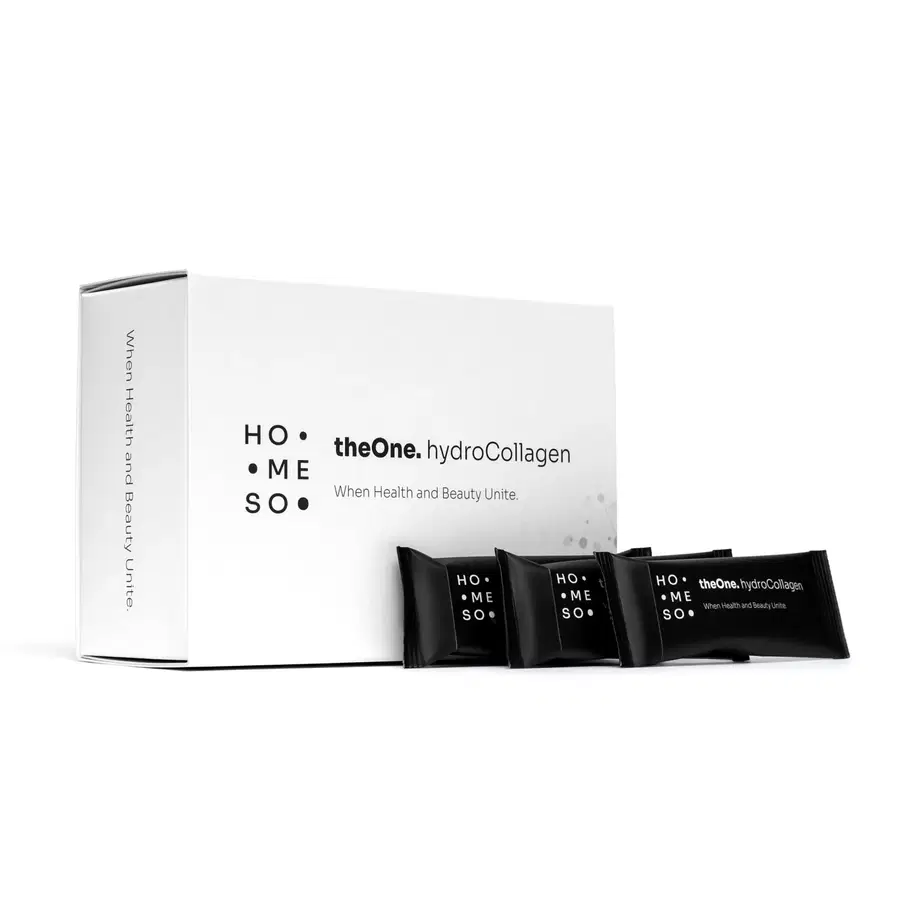
Collagen is not just a beauty supplement. It's a structural building block that your body uses to repair tissue, maintain elasticity, and retain moisture at a cellular level. When you supplement with collagen during the recovery phase, you're giving your body exactly what it's asking for: the materials to complete the repair job that microneedling started.
We like to think of this as the highest form of a self-care routine. Because true skincare isn't only about what you apply to your face. It's about supporting your body's ability to do its job from the inside out.
- Outside: protection and moisture with the right creams and serums.
- Inside: building blocks for repair with theOne hydroCollagen.
When you combine both, you're not just recovering from microneedling, you're maximizing its results.
When does the glow appear? Your microneedling recovery timeline
This is the question everyone wants answered. If you follow proper aftercare, here's what to expect:
- Day 1-2: Skin appears red and may feel warm or tight, similar to a mild sunburn. This is the initial inflammatory response and completely expected.
- Day 2-3: Dryness and tightness peak. Transepidermal water loss is at its highest. This is when proper moisture-locking is most critical.
- Day 3-5: Mild flaking or peeling may appear as the skin sheds old cells. Resist the urge to pick or exfoliate, and let the skin release naturally.
- Day 5-7: The barrier begins to close. Moisture retention improves. Skin starts to feel smoother and more comfortable.
- Day 7+: The real glow emerges. Skin feels firmer, looks more even, and has a renewed radiance that wasn't there before.
The glow appears after the flaking ends, when the fresh, newly generated skin comes to the surface. That smooth, firm, luminous feeling is the result of everything your body has been working on since the moment those micro-channels were created.
And that's when it becomes clear: the dryness was never a problem. It was a temporary phase of regeneration.
Wondering when to schedule your next session? Our guide on how often to perform HoMEso therapy will help you plan the right frequency for your skin.
Frequently asked questions
Is dry skin after microneedling normal? Yes. Dryness, tightness, and mild flaking 2-5 days after microneedling are a completely normal part of the healing process. They occur because the micro-channels temporarily increase transepidermal water loss. With proper aftercare, these symptoms resolve within a week.
What is the best moisturizer after microneedling? A rich, barrier-supporting cream is more effective than a lightweight daily moisturizer. Your skin needs something that both delivers hydration and prevents it from evaporating. Revitalize Rich Cream combined with HA Drops + B5 provides both hydration and barrier protection during the critical recovery phase.
How long does peeling after microneedling last? Mild peeling typically begins around day 3 and resolves by day 5-7. The intensity depends on the depth of treatment and individual skin type. Do not pick, scrub, or exfoliate the flaking skin. Let it shed naturally to avoid scarring or irritation.
Can I use retinol or vitamin C after microneedling? No. Avoid retinoids, AHAs, BHAs, and vitamin C for at least 3-5 days after treatment. These active ingredients can cause intense stinging and irritation on compromised skin. Stick to hydrating, barrier-supportive products until the flaking phase is complete.
Does taking collagen help with microneedling recovery? Yes. Microneedling stimulates your body's collagen production, but the body needs raw materials to build that collagen. Supplementing with a hydrolyzed collagen like theOne hydroCollagen provides the amino acids and peptides your skin needs to complete the repair process more effectively.
The bottom line
Dry skin after microneedling is not a complication. It's a predictable, temporary phase that tells you one thing: your skin is regenerating.
The key is how you support that process. From the outside, lock moisture in with the right products — HA Drops + B5 for hydration, Revitalize Rich Cream for barrier protection, and SPF 50 Drops + PDRN for daytime defense. From the inside, give your body the building blocks it needs with theOne hydroCollagen.
Haven't done your first treatment yet? Start with our step-by-step guide to microneedling at home to make sure you get it right from the beginning.
The dryness is temporary. The glow that follows is worth the wait.